A world where every child can fulfil their unique potential
What We Do
We promote holistic well-being with children, professionals and policymakers so that every child can fulfil their unique potential
Areas of Impact
Three pathways driving change for children’s well-being
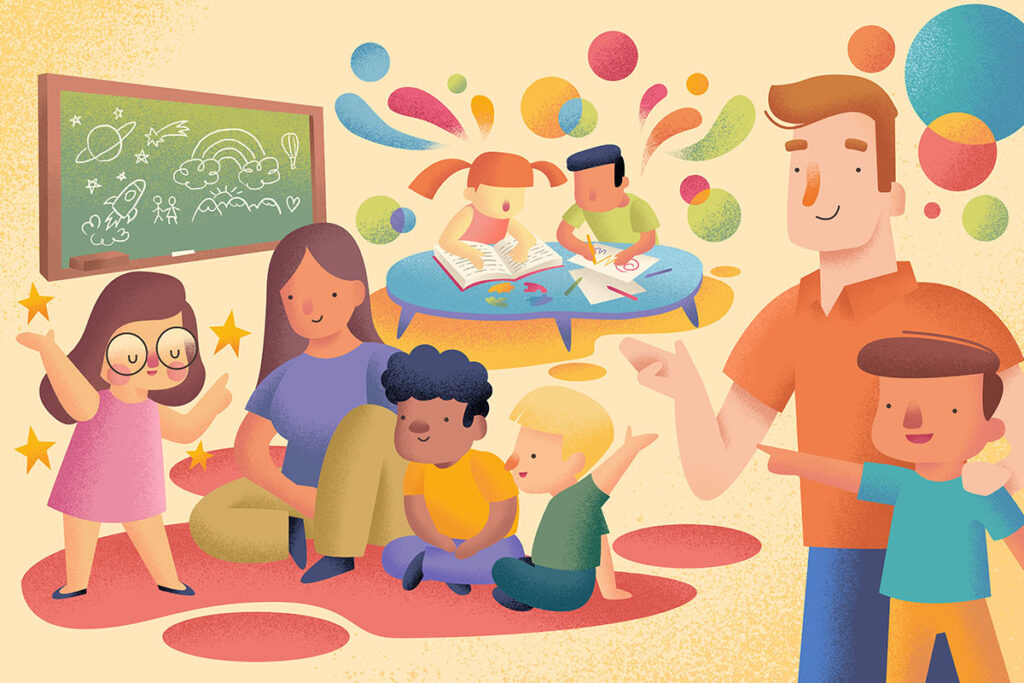
School
Reform
We promote efforts by schools and through education system reform to maximize opportunities for children to fulfil their unique potential.
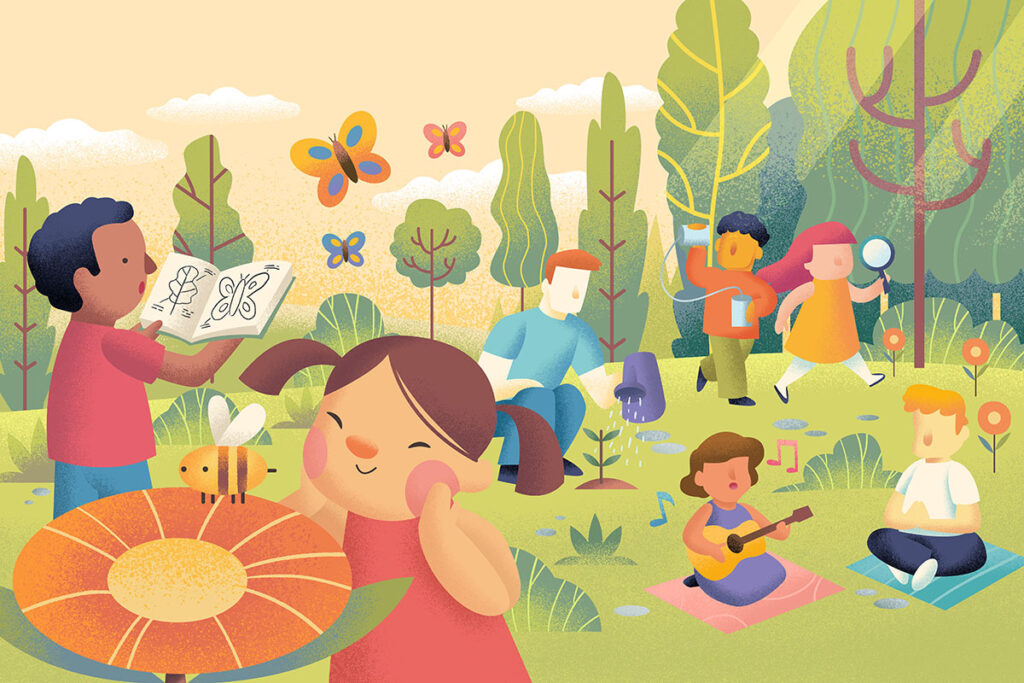
Holistic
Well-being
We integrate children’s holistic well-being and positive mental health into all levels of the living system.
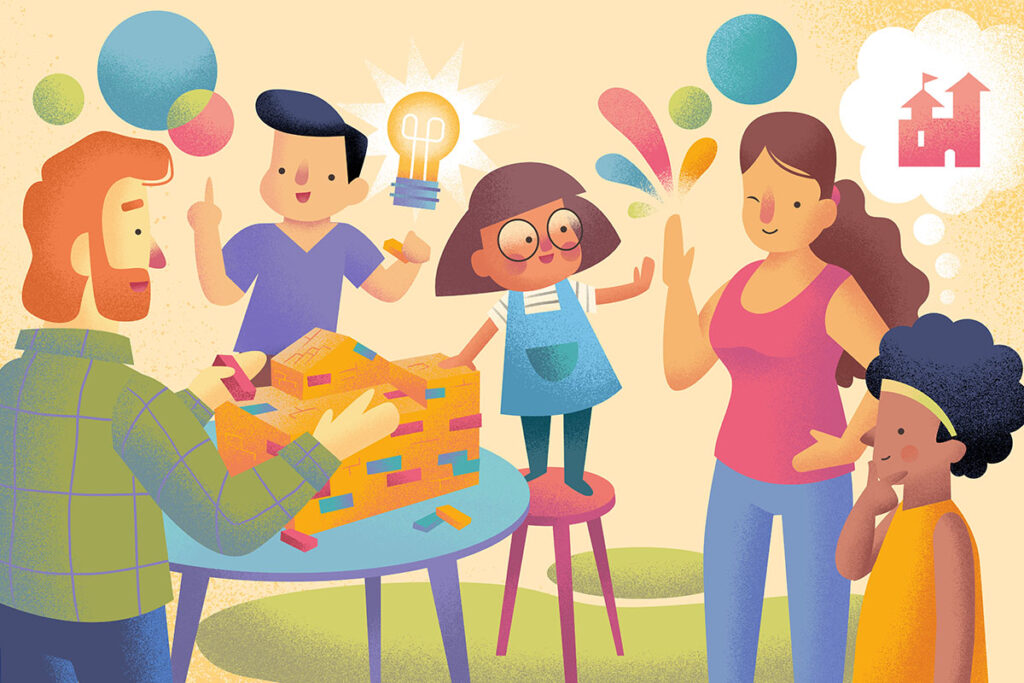
Intergenerational
Collaboration
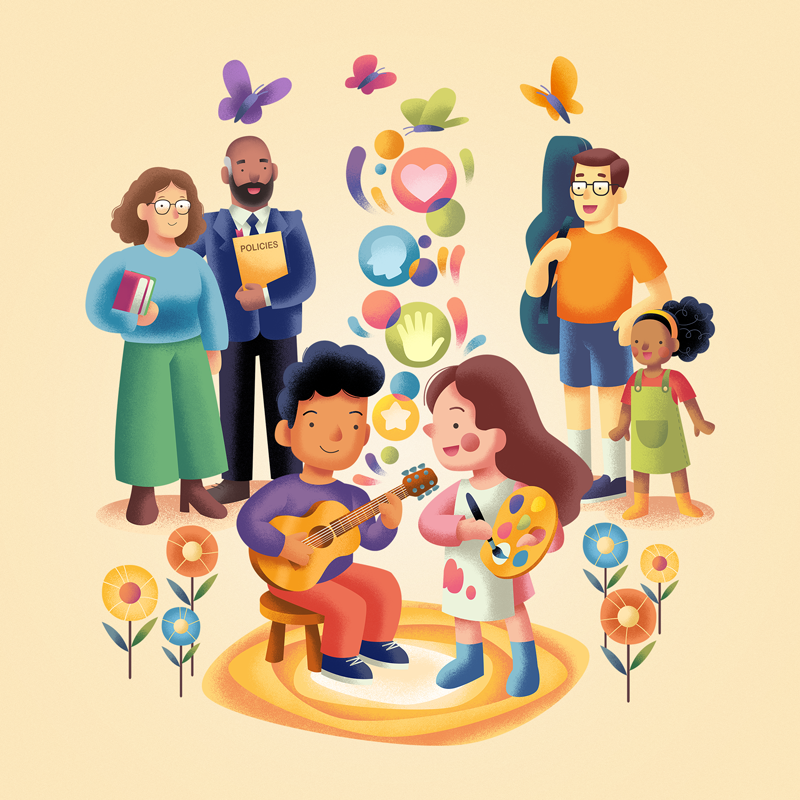
We promote partnerships between generations that support the active agency of children in actions and processes that matter to them.
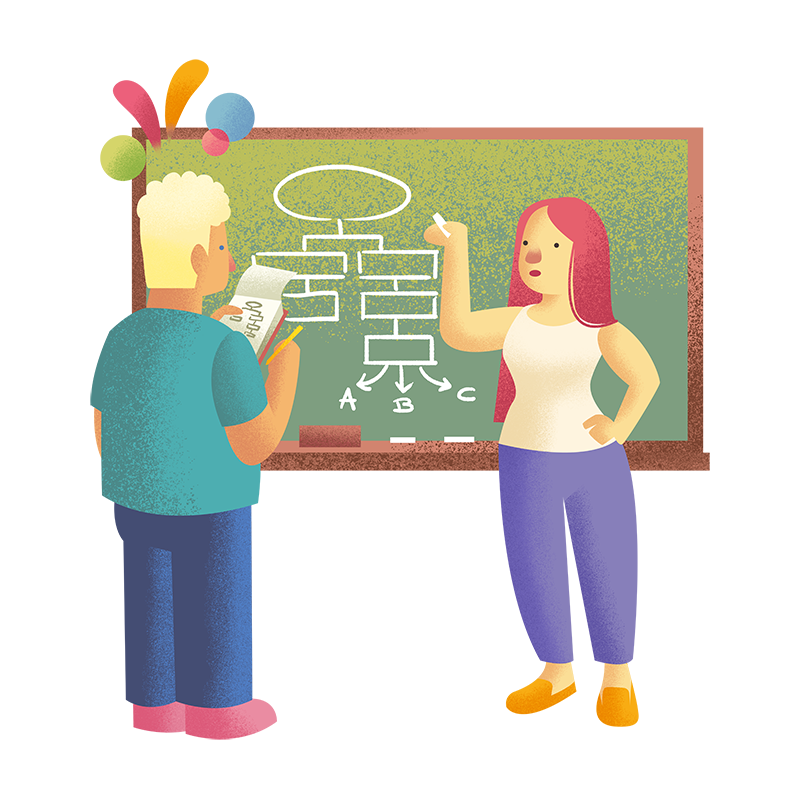
How we work
Our programmes bring the Learning for Well-being framework to life through experiential learning that strengthens the systems and relationships surrounding each child.
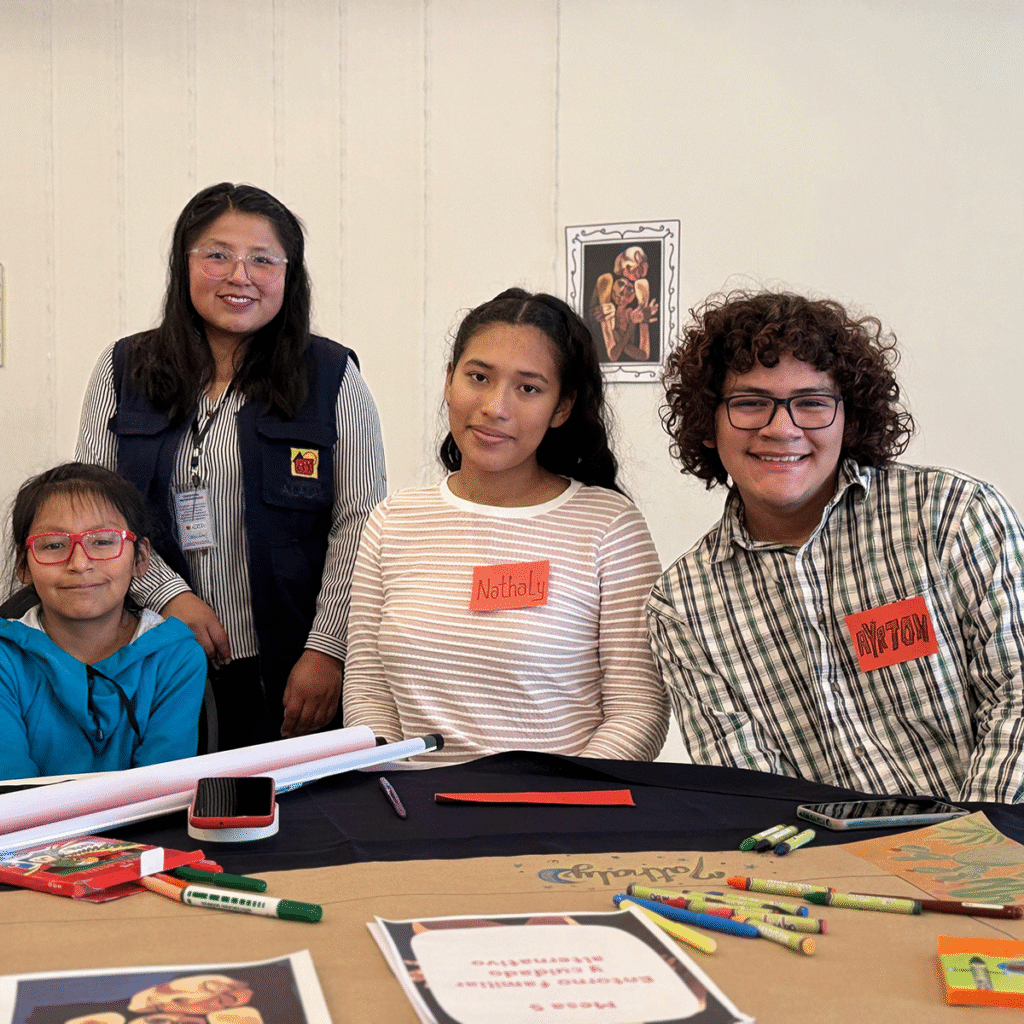
Fostering personal and social change by building partnerships between children and adults to advance children’s rights and well-being.
Annual Report 2024
A year of renewed focus, building the foundations of our programme structure, strengthening partnerships, and advancing shared efforts for children’s well-being.