Strengthening participatory democracy, children’s rights and well-being through intergenerational partnerships
Since 2019, Act2gether in Bolivia has been implemented by a dedicated national team with strategic accompaniment from the Learning for Well-being Foundation. Act2gether works in close collaboration with municipal authorities, schools, civil society organisations, and community networks to strengthen sustainable, rights-based systems for children and youth.
In Bolivia, more than half of all children live in poverty. Limited access to quality education, healthcare, and nutrition constrains not only material well-being, but also children’s opportunities to develop their capacities and shape their futures.
Although national legal frameworks recognise children’s rights, participation often remains formal rather than lived. Persistent challenges include:
Children are frequently consulted, but rarely positioned as legitimate partners in decision-making processes that affect their lives.
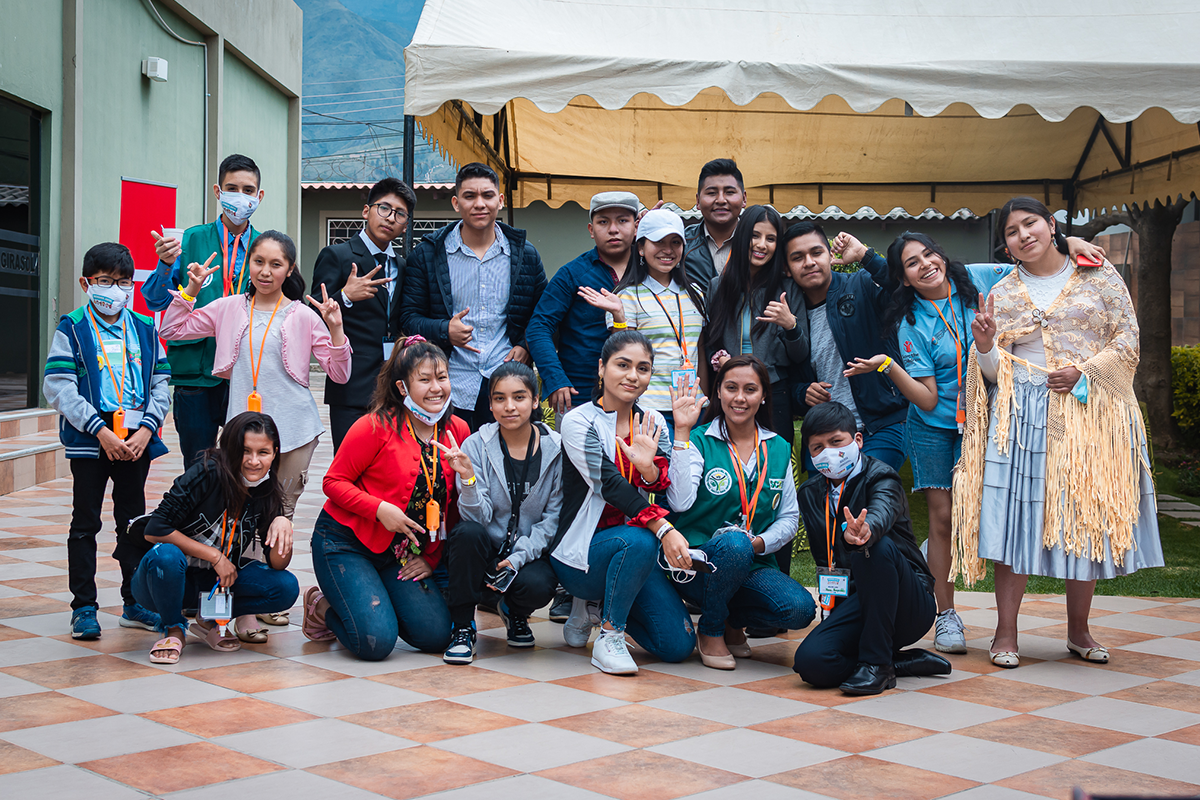
Act2gether in Bolivia addresses this gap by strengthening intergenerational relationships and embedding participation within everyday institutional practice.
Act2gether cultivates core capacities — such as listening, reflection, collaboration, and agency — enabling children and adults to work together as co-creators of change.
Over the past five years, this approach has been embedded across interconnected systems:
At each level, the focus remains consistent: strengthening shared responsibility, legitimising children’s voices, and building sustainable cultures of dialogue.
We work across sectors to strengthen participatory systems through:
Participatory Grant-making – Funding intergenerational projects led by children and youth to drive social change in their communities.
Digital Platforms for Advocacy – Connecting generations and building digital capacities that empower children to speak up and lead.
Knowledge Tools and Research – Creating practical guidelines, toolkits, and research to scale meaningful participation. These include:
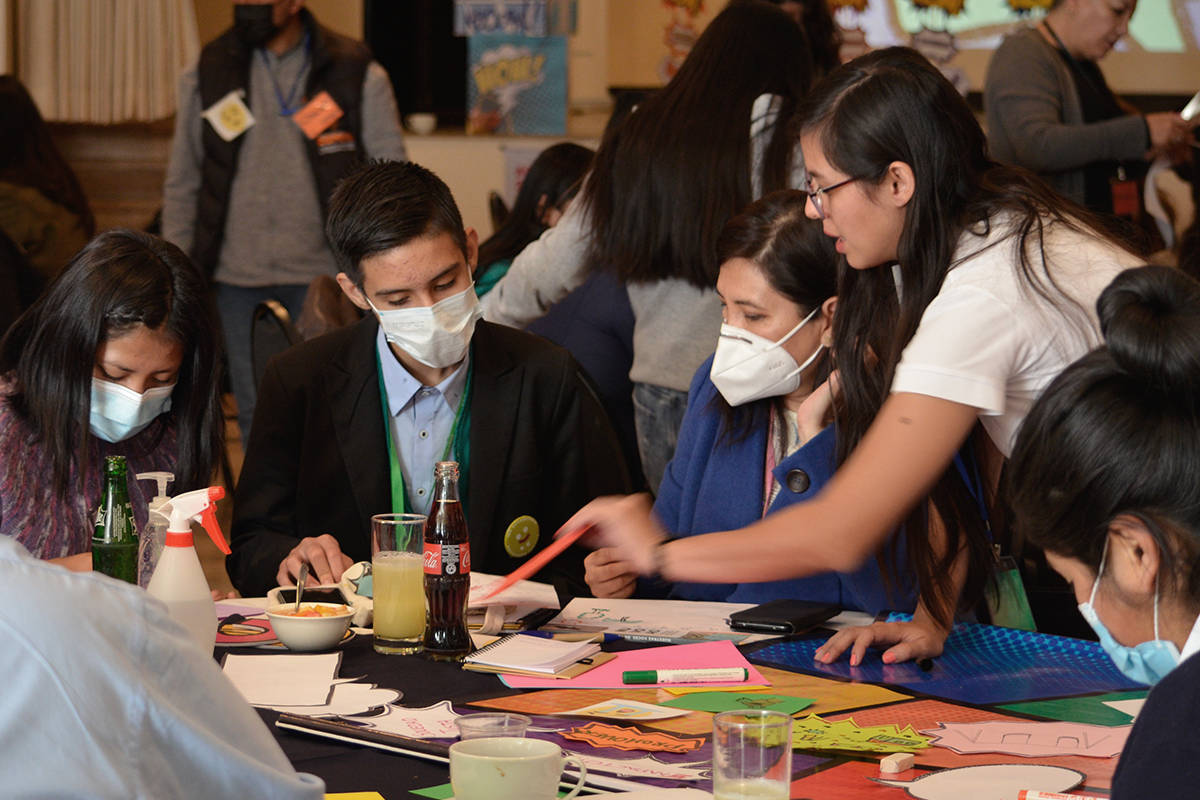
Intergenerational Forums and Dialogues – Designing spaces for collective learning and joint action between children and adults.
Policy Advocacy – Supporting alternative reports to the UN Committee on the Rights of the Child and engaging directly with government stakeholders to improve implementation and accountability.
Together, these strategies move participation from aspiration to infrastructure.
Through Act2gether in Bolivia: