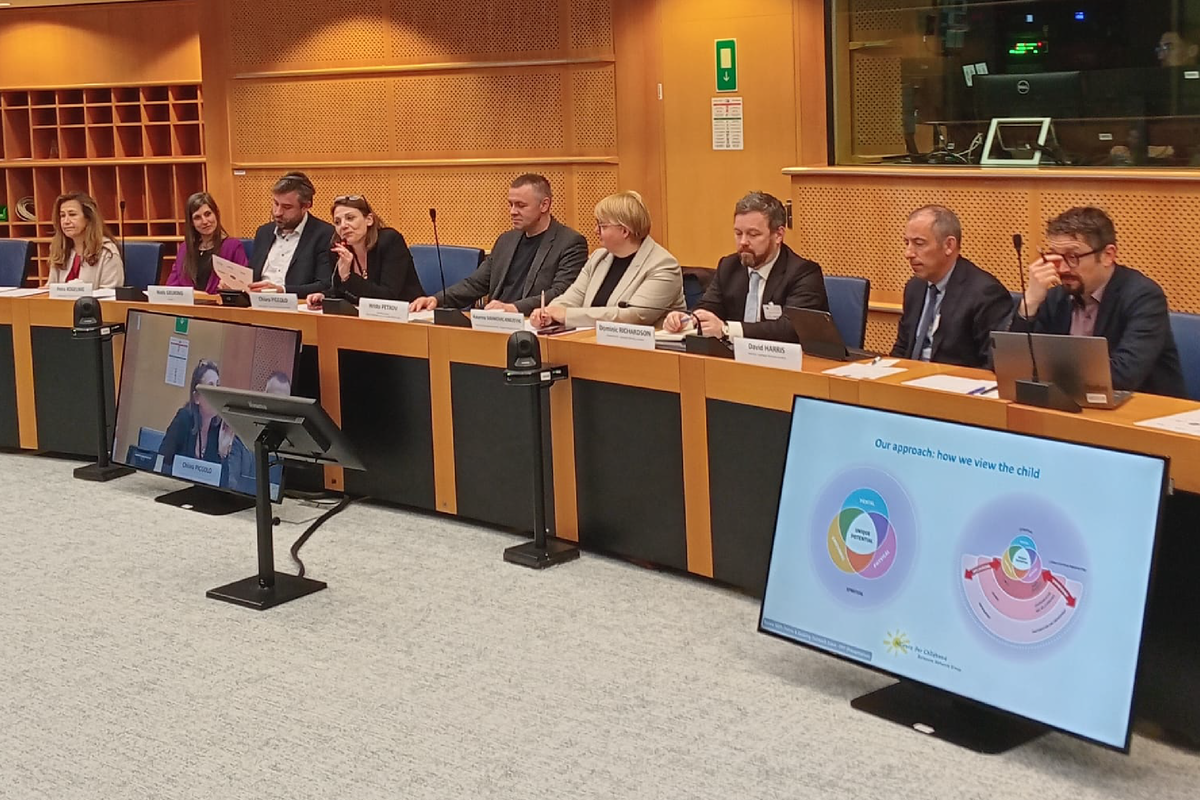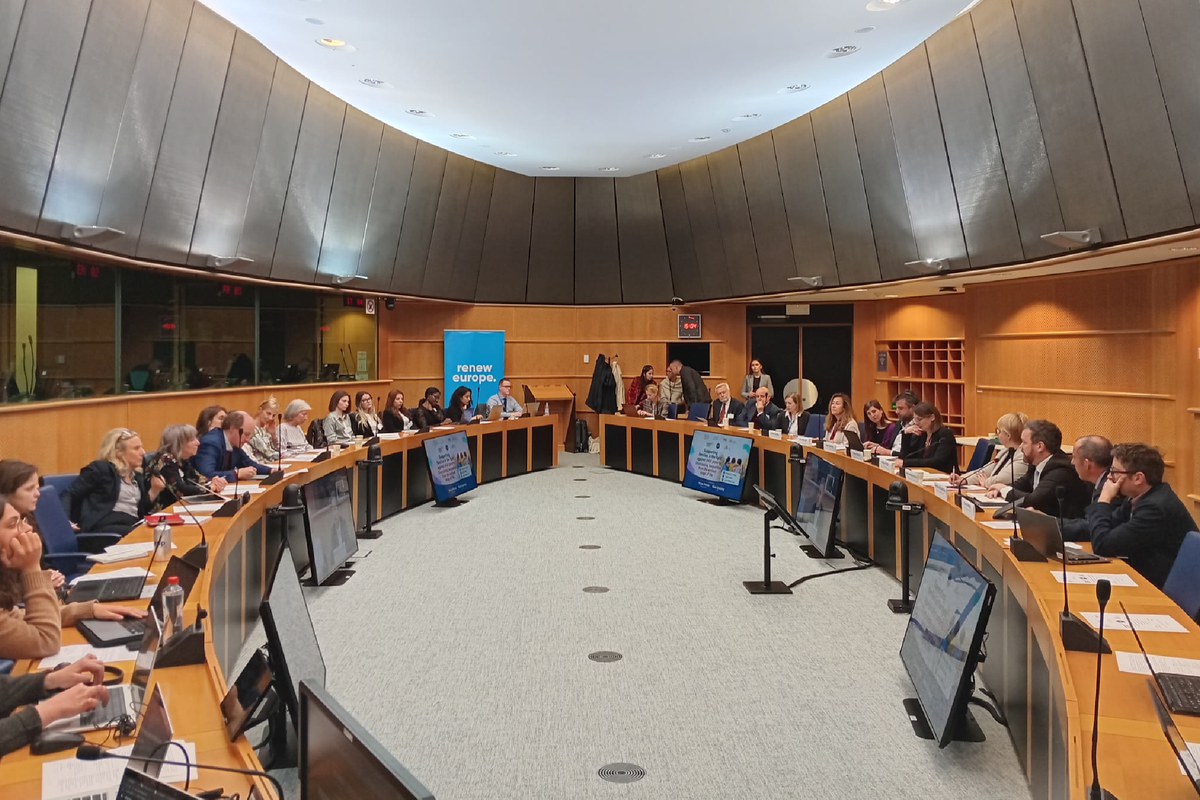
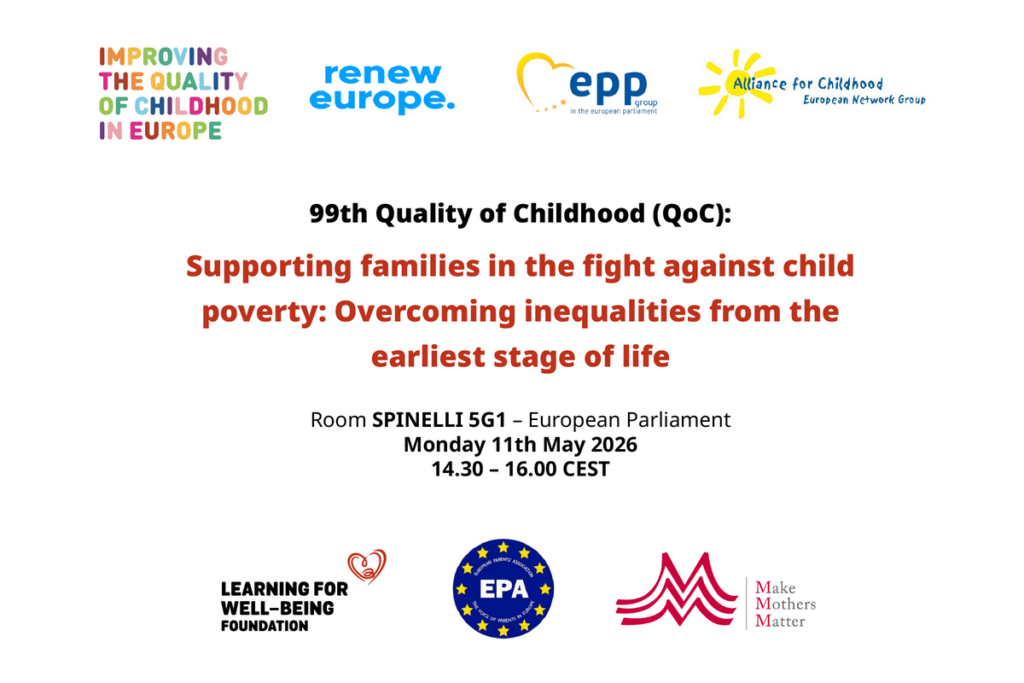
At the 99th Quality of Childhood (QoC) session at the European Parliament, policymakers, researchers and civil society organisations came together to explore how Europe can better support children and families in a context of growing social and economic pressures.
The discussion focused on turning Europe’s anti-poverty ambitions into concrete action, building on the EU Anti-Poverty Strategy and the strengthening of the Child Guarantee.
Families across Europe are currently navigating a “polycrisis” shaped by rising living costs, economic uncertainty, geopolitical instability and rapid labour market transformation. These pressures, combined with digital change and increasing social isolation, are deepening inequalities and increasing the risk of exclusion for the most vulnerable households.
Dominic Richardson, Managing Director of the Learning for Well-being Foundation, stressed that effective policy must start from children’s rights, grounded in non-discrimination and the visibility of children in decision-making. He highlighted the need for more holistic and integrated approaches and warned against overreliance on labour market–centred solutions that risk creating “poverty traps” rather than addressing structural inequality.
Across the discussion, there was strong agreement that supporting families is not only a social policy issue, but a fundamental investment in Europe’s social cohesion and future well-being.
The session closed with a shared message across speakers: childcare and family support should not be seen as a cost, but as a long-term investment in Europe’s future.
The 99th QoC was co-hosted by MEP Hristo Petrov (Renew Europe Group) and MEP Niels Geuking (EPP Group), and organised in collaboration with the European Parents’ Association, Make Mothers Matter, Renew Europe Group, EPP Group in the European Parliament, the Alliance for Childhood – European Network Group and the Learning for Well-being Foundation.